
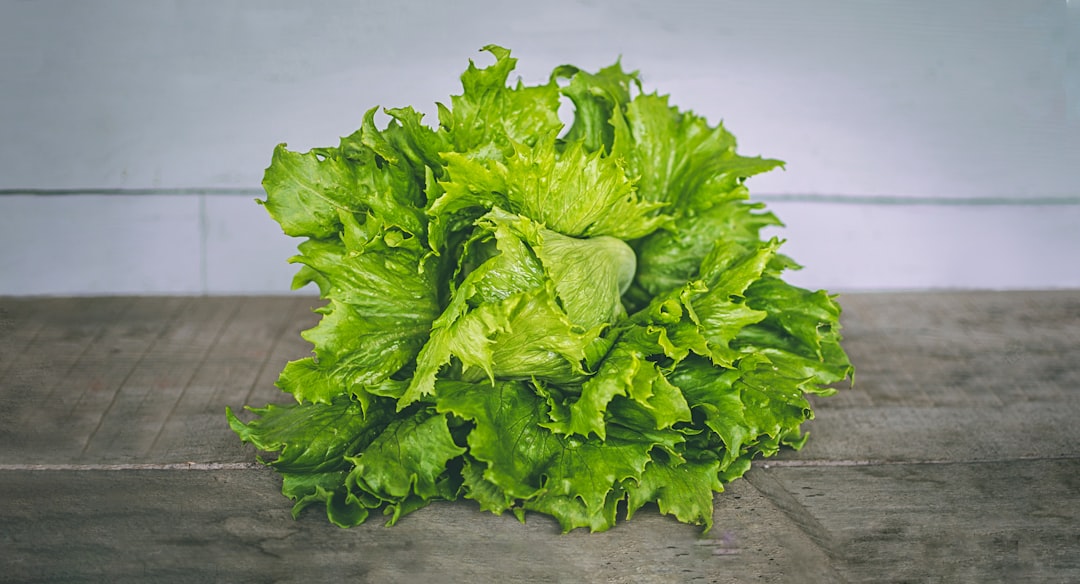
If you've been doing a double-take at your salad this week, you're not imagining things. There's a genuine outbreak happening, some interesting developments in diabetes tech, and a quiet but important conversation about wellness supplements most people assume are safe because they come in a nice tin. Let's break it down.
The Cyclospora Outbreak Is Real, But Context Matters
Over 100 cases of cyclospora infection have been reported in Texas this year, with the bulk of them concentrated in two specific regions, according to The Dallas Morning News. The parasite, Cyclospora cayetanensis, gets into produce through contaminated water during growing or handling. The symptoms are rough: watery diarrhea, cramping, bloating, and fatigue that can drag on for weeks if you don't get treated.
Here's the part that gets lost in the panic, though. An infectious disease expert speaking to PBS NewsHour made a point that's worth sitting with: this outbreak appears tied to specific supply chains, not every bag of romaine in the country. The guidance isn't to swear off salads. It's to stay on top of any active recalls, know where your produce is coming from, and pay attention if you start feeling sick after eating leafy greens.
Washing your lettuce with cold water, for the record, does not remove cyclospora. The parasite is too hardy for that. What it does remove is a lot of other things you don't want either, so keep doing it. And if you're in an affected area or eating out frequently, it's a reasonable moment to be a bit more deliberate about sourcing.
Lettuce itself is still worth eating. High fiber, supports a healthy gut microbiome, helps regulate blood sugar, genuinely useful food. The risk right now is real but specific. Don't let a regional outbreak become a reason to avoid vegetables permanently.
What Happens When You Pair a CGM With a GLP-1 Drug
If you or someone close to you is managing type 2 diabetes or metabolic issues, you've probably heard a lot about GLP-1 receptor agonists in the last couple of years. Drugs in this class slow digestion, influence how your body handles insulin, and have shown meaningful results for both blood sugar control and weight.
What's getting more traction now in clinical circles is pairing these medications with continuous glucose monitors, or CGMs. The discussion happening among diabetes educators and clinicians, referenced in a recent educational video, comes down to this: GLP-1 drugs work better when you can actually see what they're doing.
Traditionally, people would take their medication and wait for a quarterly A1C test to see if things were moving in the right direction. A CGM changes that completely. You can see in real time how a meal affects your glucose, whether your body is responding to a dose adjustment, and which times of day your numbers are drifting. For someone on a GLP-1, that level of feedback makes dosing decisions sharper and gives both the patient and their doctor much better data to work with.
This isn't widespread practice yet, and CGMs aren't cheap or always covered by insurance depending on where you are. But the direction of travel in diabetes care is clearly toward more real-time data, not less. If you're on a GLP-1 and haven't looked into CGM options, it's worth asking your doctor about.
Functional Mushroom Supplements and What We Actually Know
Lion's mane, reishi, cordyceps, chaga. Functional mushrooms have had a serious marketing moment over the last few years, and at this point nearly every wellness brand has a blend with a forest-themed name and an impressive-sounding list of benefits.
A piece from Today's Parent raised a question that deserves more airtime: what should pregnant and breastfeeding women actually know before taking these?
The honest answer is that most functional mushrooms haven't been studied in pregnant or nursing women in any meaningful clinical way. Cordyceps, for example, is a popular ingredient marketed for stamina and blood sugar support. But the data on what it does during pregnancy, or whether it does anything at all in that context, is essentially non-existent.
That's not the same as saying they're dangerous. It means we don't know. And "natural" has never automatically meant safe in every situation for every person.
The advice from experts is pretty consistent: if you're pregnant, breastfeeding, or managing any condition, talk to your doctor before adding supplements to your routine, even ones that seem benign. Marketing claims and clinical evidence are two very different things, and this category has far more of the former than the latter right now.
If you're not in any of those situations and you're curious about functional mushrooms, the risk profile looks much lower. There's some interesting research on lion's mane and cognitive function, and reishi has a long history of use in traditional medicine. Just go in with realistic expectations and don't assume the label tells the whole story.
Is it safe to eat lettuce during the cyclospora outbreak?
It depends on where your lettuce is coming from. The outbreak is linked to specific supply chains, not all leafy greens. Check active recalls, pay attention to where your produce is sourced, and if you feel ill after eating salad, see a doctor. Washing produce doesn't eliminate cyclospora, but it's still good practice for other reasons.
What are the symptoms of cyclospora infection?
The main symptoms are watery diarrhea, stomach cramping, bloating, nausea, and fatigue. Symptoms can come and go and may last for weeks without treatment. If you've eaten produce recently and have these symptoms, especially in an area with reported cases, see a doctor. It's treatable with antibiotics.
Which states are reporting the most cyclospora cases right now?
Texas has reported over 100 cases so far in 2026, with most concentrated in two specific regions. Cyclospora outbreaks have historically been tied to imported produce, so cases can appear across multiple states depending on distribution.
How does a continuous glucose monitor help someone on a GLP-1 medication?
A CGM gives you real-time blood glucose data throughout the day, which makes it much easier to see how a GLP-1 drug is actually working. Instead of waiting months for an A1C result, you can see how meals, activity, and medication doses are affecting your glucose levels right now. That feedback loop helps both patients and doctors make better decisions.
Are functional mushroom supplements safe during pregnancy?
Most functional mushrooms haven't been studied in pregnant or breastfeeding women, so there's not enough clinical data to confidently say they're safe in that context. The cautious position, which most healthcare providers take, is to avoid them unless a doctor has specifically cleared them for your situation.
Do functional mushroom supplements actually work?
For the general population, some functional mushrooms have early-stage research supporting certain benefits. Lion's mane has shown some interest in cognitive research, and reishi has a long history in traditional medicine. But the evidence base is still thin for most claims on product labels, and marketing has outpaced the science significantly in this category.