
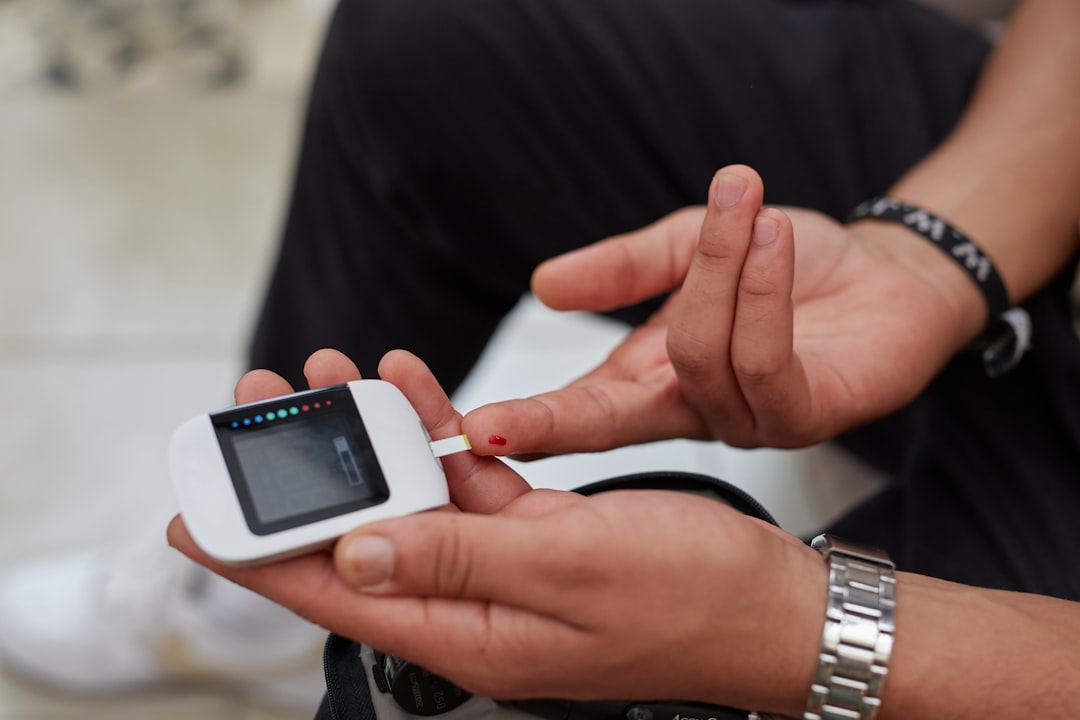
The blood sugar conversation has gotten crowded. Tech companies, pharmaceutical giants, supplement brands, and nutritionists are all competing for the same audience. Here's what's actually worth paying attention to.
The Hardware Is Finally Catching Up
For years, continuous glucose monitoring meant a sensor stuck to your arm and a dedicated medical device to read it. That may be changing. A prototype smart ring covered by 9to5Mac has reportedly cracked non-invasive blood sugar measurement — reading glucose levels through the skin and sending data to a paired iPhone app.
The "holy grail" label has been attached to this problem for two decades, and most attempts have failed accuracy tests. If this prototype holds up in clinical validation, it shifts who can practically monitor blood sugar — from people who already carry a diabetes diagnosis to anyone who wants metabolic awareness without a needle involved.
The GLP-1 Question Gets More Complicated
Prescription weight-loss injections — GLP-1 receptor agonists like semaglutide — are now mainstream enough that The Straits Times is running explainers for general readers. These drugs work by activating appetite and blood sugar regulation pathways simultaneously, which is why they're useful for both weight loss and glycemic control.
But the "who should take them" question is becoming more nuanced. An OregonLive advice column addressed a specific and tricky case: someone with Type 1 diabetes and diabetic retinopathy asking whether GLP-1 drugs were appropriate. The answer involved real tradeoffs — hypoglycemia risk, insulin pump interactions, and whether the drugs might accelerate retinopathy progression before stabilising it.
This is what happens when a treatment goes from specialist tool to cultural phenomenon. The broader the adoption, the more edge cases surface. People with complex conditions need individualised answers, not the general enthusiasm driving the headlines.
The Low-Tech Option That Gets Undersold
While tech and pharma compete for attention, nutritionists keep pointing at something less exciting but more accessible. A feature on "fibremaxxing" after 40 highlights what researchers have said for years: dietary fibre directly buffers blood sugar spikes, feeds gut bacteria, and slows digestion in ways that reduce metabolic strain.
The trend framing is new; the underlying science isn't. After 40, when blood sugar wobbles and cholesterol changes become more common, fibre is one of the most evidence-backed interventions available. Most people eat well under the recommended 30g per day. It doesn't require a prescription or a wearable — just a sustained change in what's on the plate.
What to Be Skeptical About
Not everything in this space deserves equal weight. A review of Sugar Reset Drops — a 22-ingredient liquid supplement marketed for blood sugar support — represents a crowded and loosely regulated category where claims routinely outrun evidence. "22 ingredients" reads more like a marketing signal than a clinical one.
The contrast is instructive. On one end: peer-reviewed wearable technology and pharmaceutical-grade interventions with understood mechanisms and clinical data. On the other: supplement products where the regulatory bar is low and consumer trust does the heavy lifting.
The blood sugar space is genuinely advancing. The smart ring, if validated, is real progress. GLP-1 drugs are real medicine with real effects. Fibre is real food with decades of evidence. The challenge is navigating all of it without getting distracted by what's mostly packaging.