
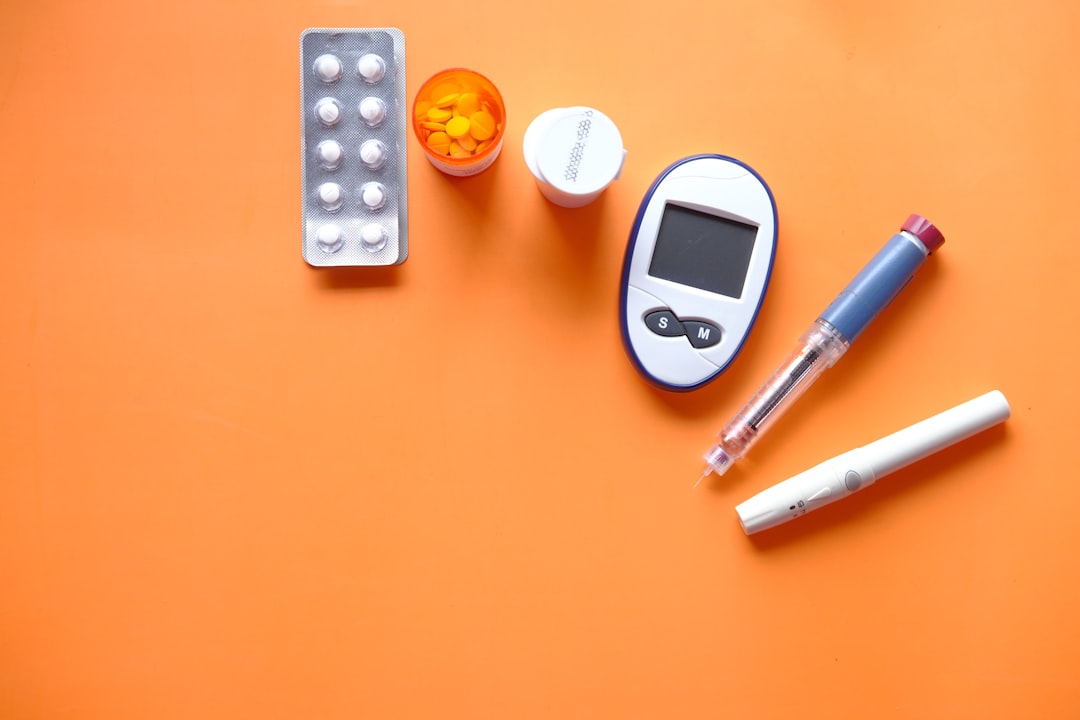
There's a free A1C test happening at the 2026 Disability Awareness Expo in Alachua County this week. Free. Walk in, get tested, walk out with information that could genuinely shape the next decade of your health.
Most people will walk past it.
That bothers me. Not because people are careless, but because blood sugar problems are the kind of thing that builds quietly in the background for years before anything dramatic happens. And by the time something dramatic happens, your options get a lot narrower.
What an A1C Test Is Actually Measuring
The A1C measures your average blood sugar levels over the past two to three months. It is not a snapshot of what you ate this morning. Think of it more like a trend report on how your body has been handling glucose over time.
A result under 5.7% is considered normal. Between 5.7% and 6.4% puts you in prediabetes territory. Above 6.5% and you are likely looking at a diabetes diagnosis.
The useful thing about this test is that it catches things early. Prediabetes often has zero symptoms. People feel completely fine. They go about their lives. Then years later, something shifts.
What Living With It From the Start Actually Looks Like
The story of a Chicago man diagnosed with diabetes at 11 years old puts this into sharp relief. He has been managing this condition for most of his life, and he is now using that experience to help others navigate it.
That is a long time to be tracking blood sugar, adjusting insulin, monitoring food, and carrying the mental load that comes with a chronic condition. And what tends to happen when people live with something for that long is they develop a kind of practical wisdom that no pamphlet can give you.
They know what actually works day to day. They know where the gaps are in how the medical system explains things. And they are often far more useful to a newly diagnosed person than any generic advice.
This is part of why peer support and community matter so much in chronic condition management. The clinical side is essential. But so is talking to someone who has been doing this for twenty years.
The Protein Connection That Does Not Get Enough Attention
Here is something worth knowing: research covered in EatingWell points to a specific shift in protein intake that helps women over 50 maintain muscle, support exercise recovery, and stabilise blood sugar.
The link between muscle mass and blood sugar regulation is genuinely underappreciated. Muscle tissue is one of the main places where glucose gets cleared from the bloodstream. The more muscle you have, and the more active it is, the better your body handles blood sugar after a meal.
This is not just relevant for women over 50, though that is who the research focuses on. It applies broadly. And the shift being described is fairly practical: moving toward higher-quality protein sources that are easier for the body to absorb, spread across meals rather than piled into one sitting.
For anyone in the prediabetes range or managing type 2 diabetes, this is a lever worth pulling. It is not a replacement for medical treatment, but it is real and it moves the needle.
The Bigger Picture
The American Red Cross has declared a national blood crisis as donation levels hit critical lows. That is a separate issue, but it points to something connected: preventive health behaviors, including managing blood sugar well enough to stay eligible to donate, are part of how communities function.
When large numbers of people are living with undiagnosed or poorly managed chronic conditions, everything downstream gets harder. Healthcare capacity, workforce health, family caregiving loads.
Getting an A1C test is one of the cheapest, most informative things you can do. If you are in Alachua County this week, the expo is doing it for free. If you are not, it is worth asking your doctor to include it on your next blood panel.
FAQs
How often should I get an A1C test?
If you are over 35 and have never had one, or if you have risk factors like family history of diabetes, excess body weight, or a sedentary lifestyle, get one now. If your result is normal, every three years is a common recommendation. If you are in the prediabetes range, your doctor will likely want to check it more frequently.
Can diet alone bring A1C levels down?
In the prediabetes range, yes, often. Studies show that consistent lifestyle changes including diet and movement can reduce A1C by 0.5% to 1% or more, which matters a lot when you are sitting at 6.0% or 6.1%.
What foods have the biggest impact on blood sugar?
Refined carbohydrates and sugary drinks cause the sharpest spikes. Protein, fibre, and healthy fats slow glucose absorption. Timing and portion size also have more influence than most people realise.
Is A1C the only test I need?
It is a strong indicator but not the whole picture. Fasting glucose and post-meal readings add context, and for some people continuous glucose monitoring gives the fullest view. Talk to your doctor about what makes sense given your risk profile.